
You’ve heard the name. Here is what it actually means — and what it looks like in a WSSD classroom from Pre-K through Grade 12.
Waldorf education, in plain language.
Waldorf is a worldwide approach to education, more than a hundred years old, practiced in over 1,200 schools. It is built on a simple idea: a child at six learns differently from a child at sixteen, and school should be designed around that, not against it.
In brief
An education built around how children actually grow.
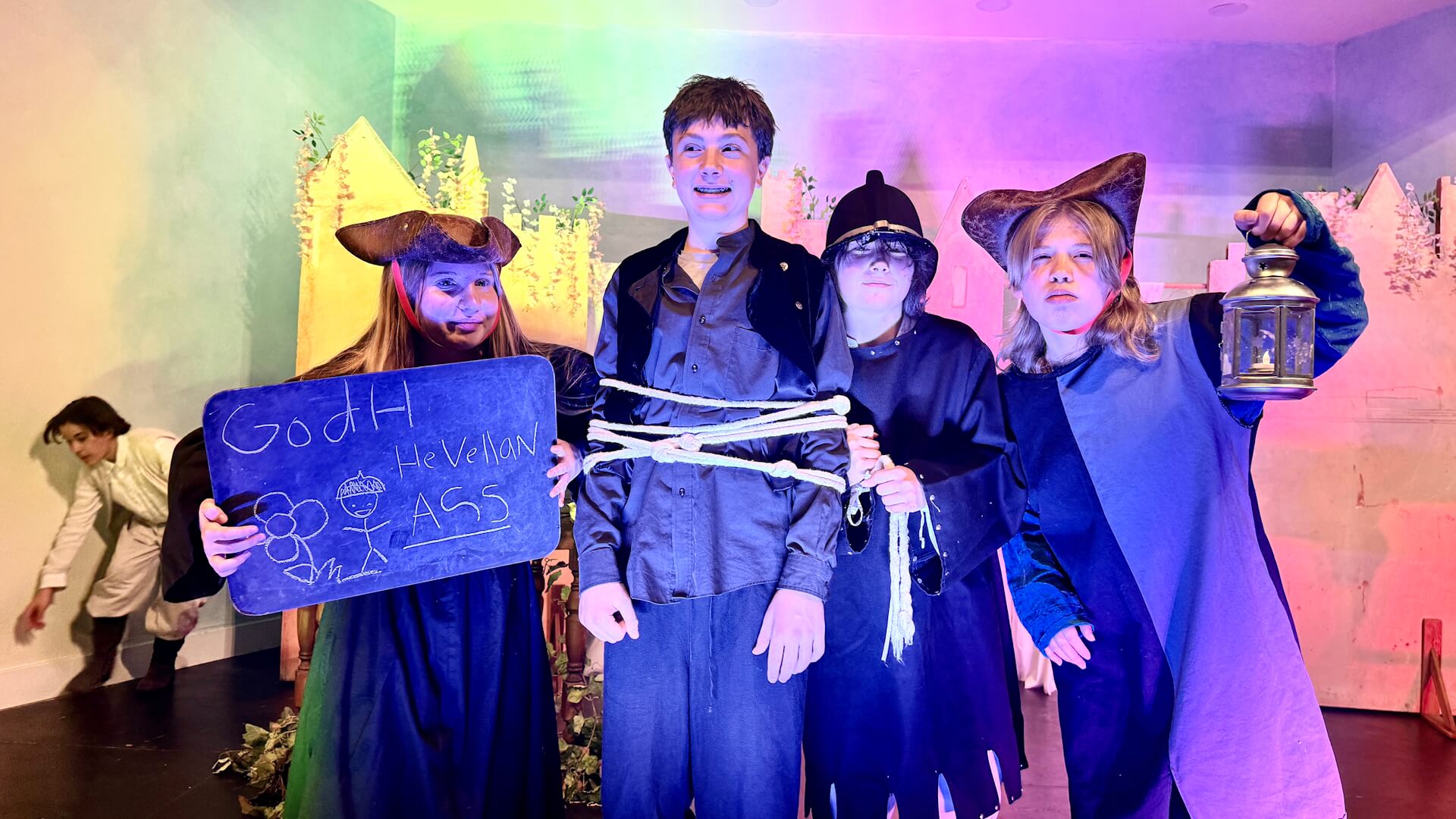
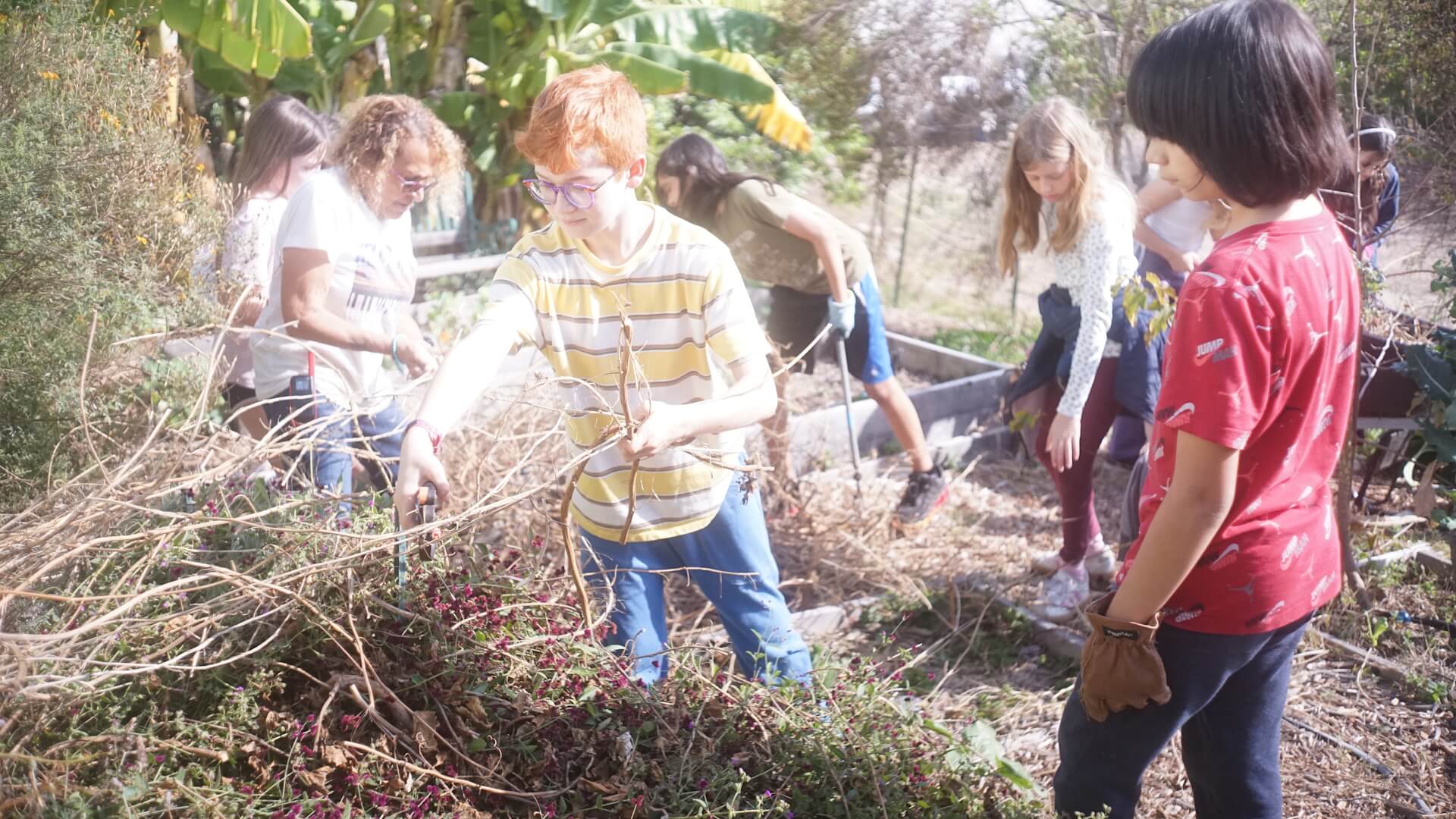
A Waldorf curriculum moves with the child. In the early years, learning happens through play, story, and imitation. In the elementary years, through imagination and the arts. In the high school years, through analysis and independent judgment.
The subjects are the ones you would expect — mathematics, science, history, literature, languages. The difference is the how, and the when.
How learning actually works at WSSD
Waldorf is a global method. Here is how WSSD specifically practices it.
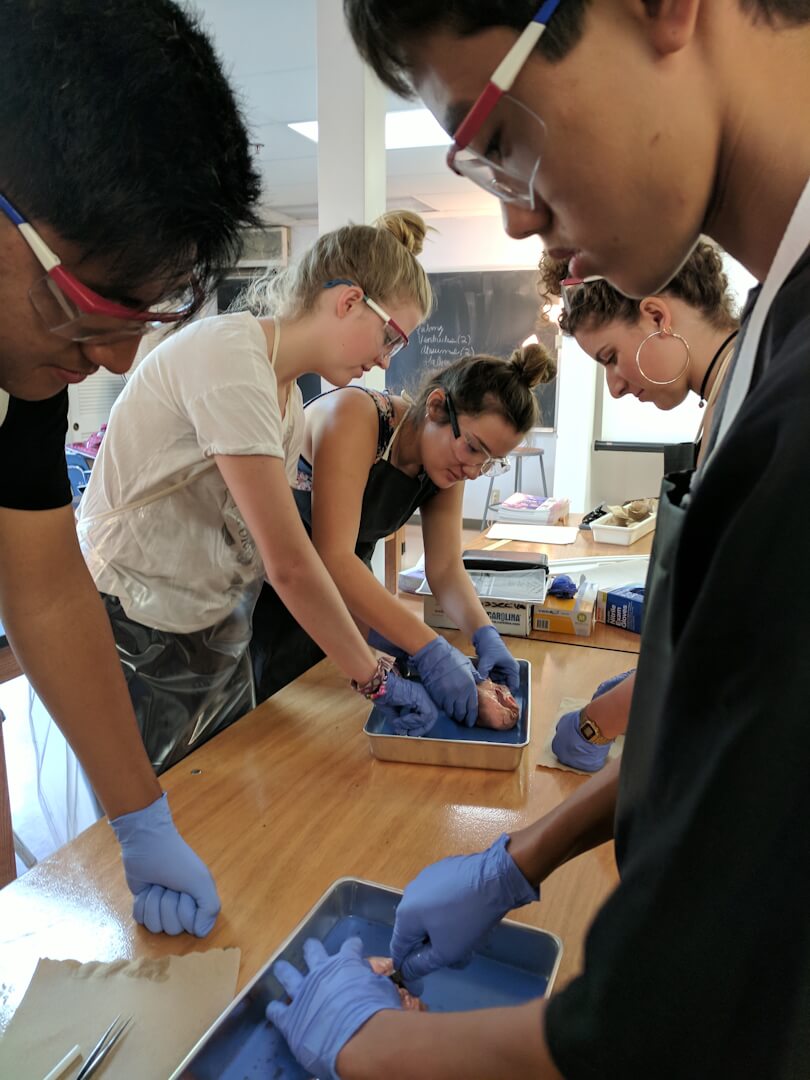
A curriculum that grows with the child
From Pre-K to Grade 12, the curriculum changes shape with each stage of growing up.
Each tab opens into the depth of that program
- The early years (Pre-K)
- The elementary years (Grades 1–5)
- The middle years (Grades 6–8)
- The high school years (Grades 9–12)
The early years (Pre-K)
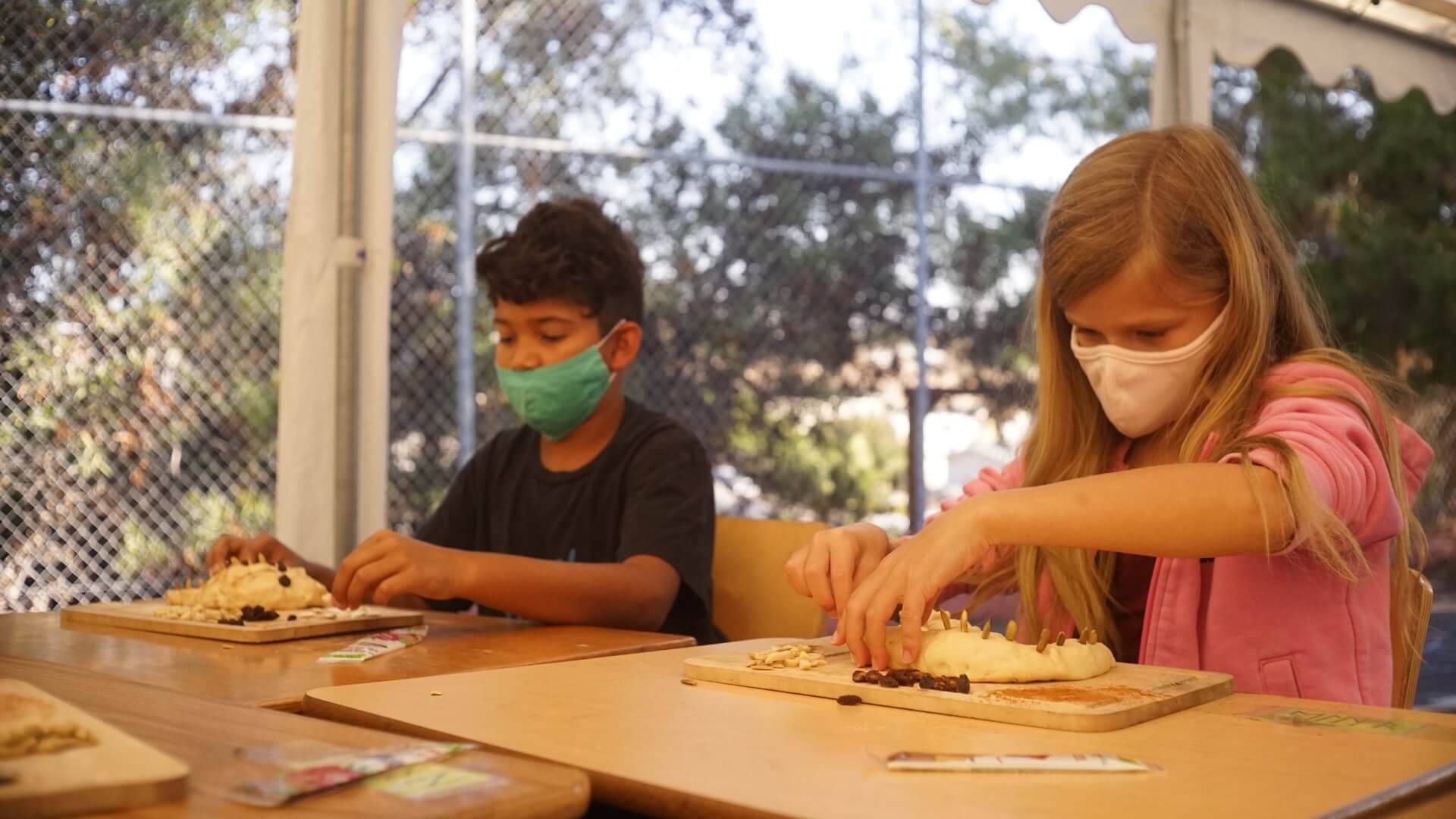
Before reading and writing comes the work of being a child: play, imitation, story, song. WSSD’s Early Childhood program protects that work — children build attention, imagination, and social skills in a warm, unhurried environment without screens.

The elementary years (Grades 1–5)
Lower School is where the academic foundation gets built — and built to last. Reading, mathematics, science, geography, history, and Spanish, all taught with the imagination and the arts. A team of teachers stays close to each child across the years that matter most.
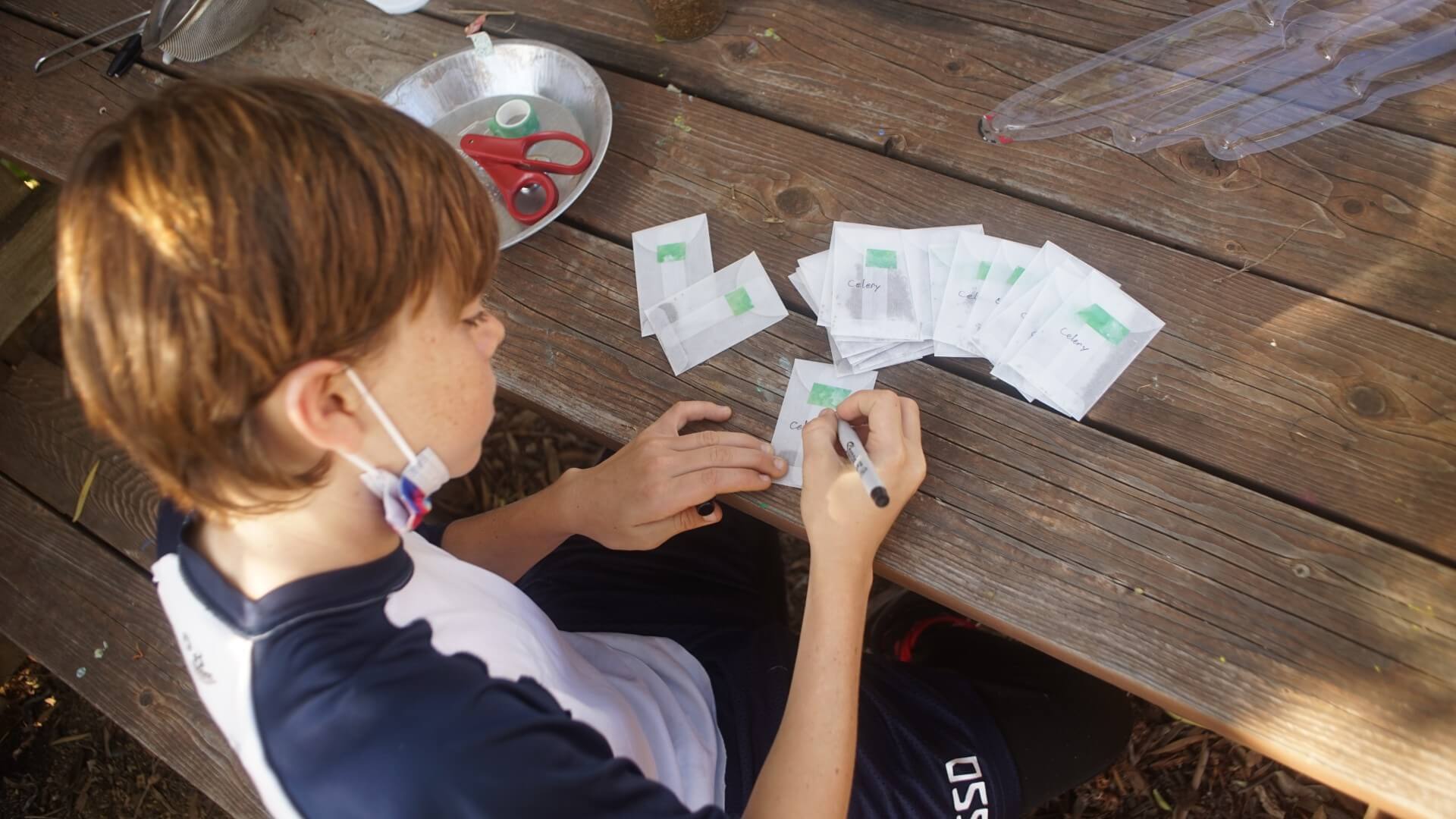
The middle years (Grades 6–8)
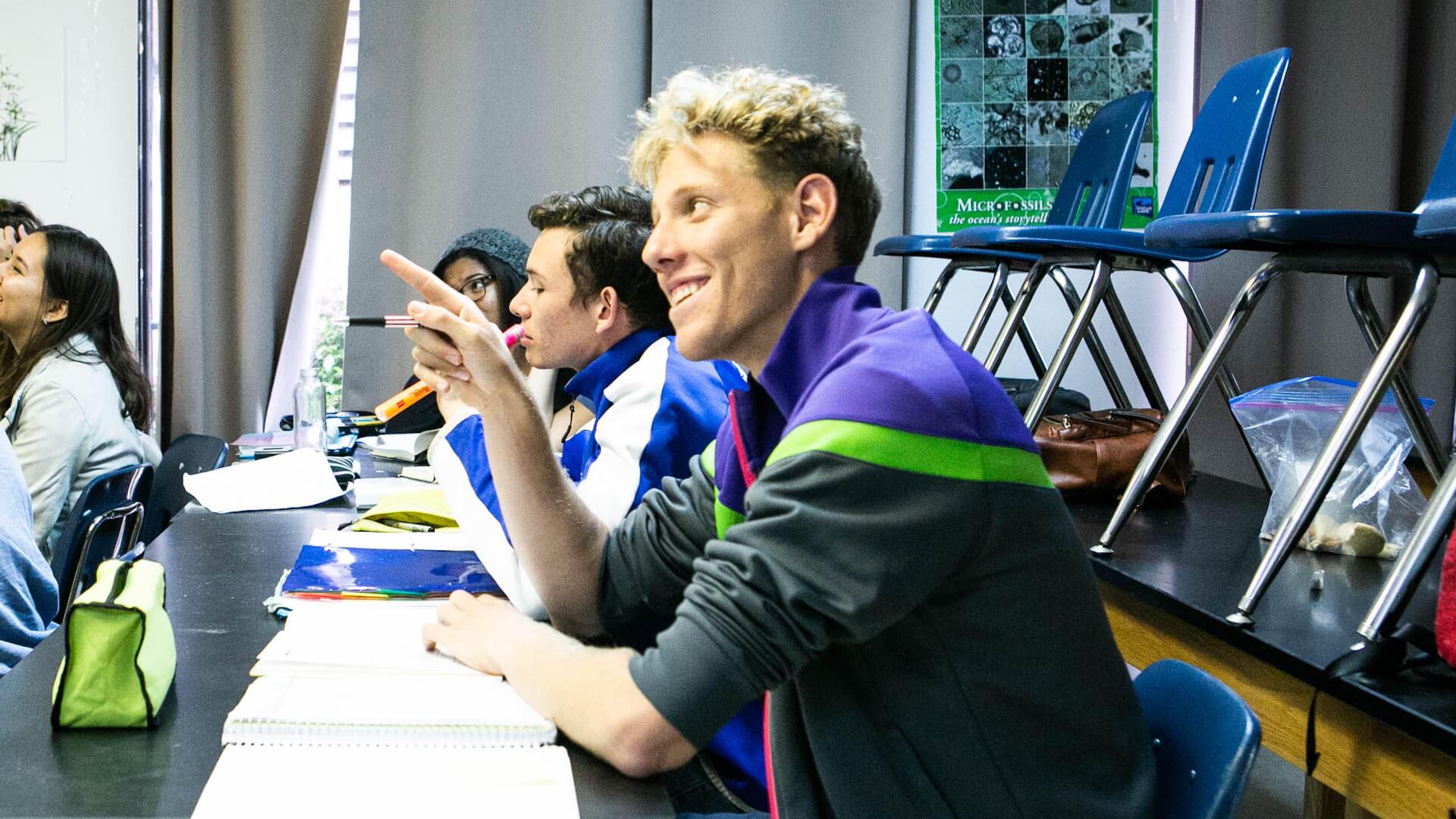
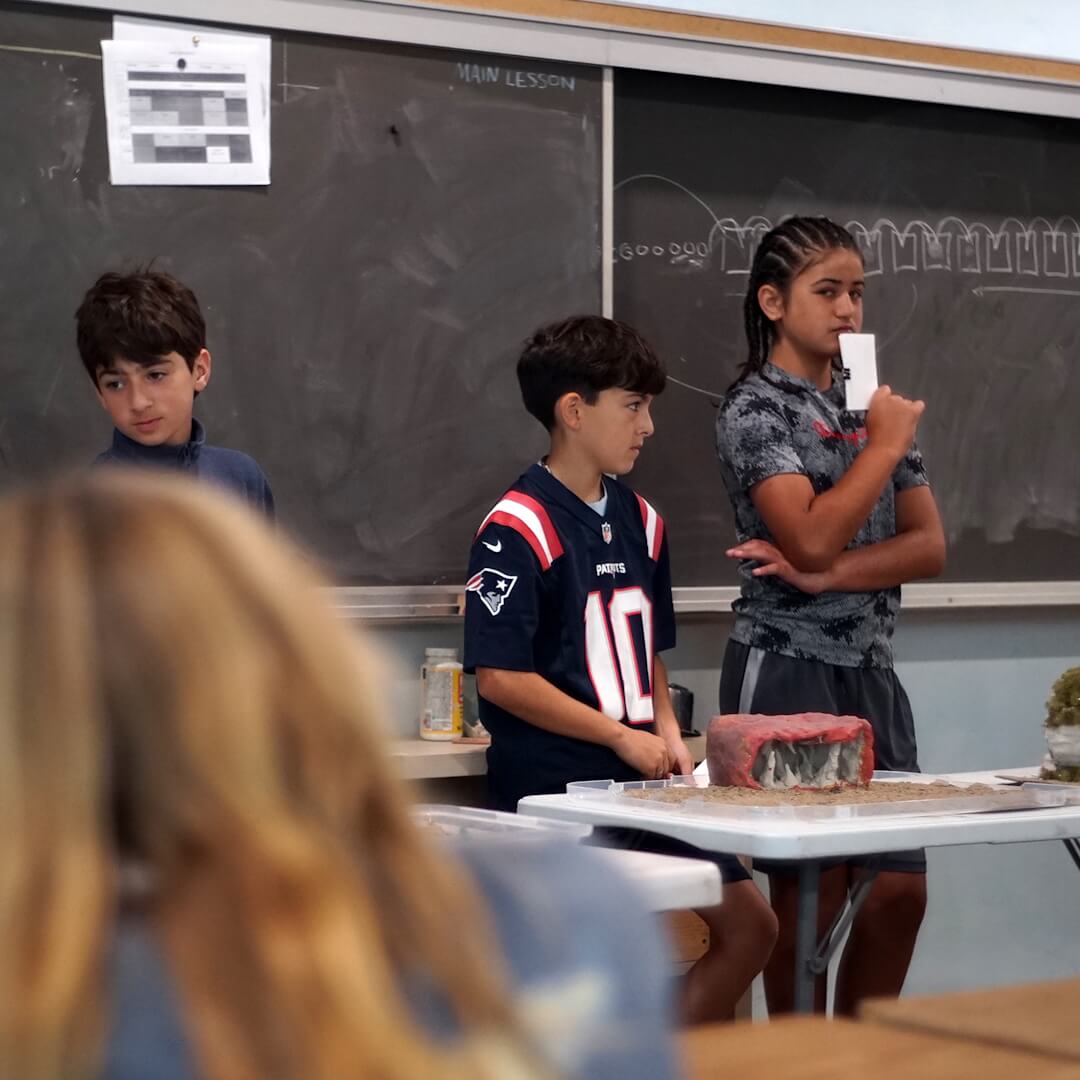
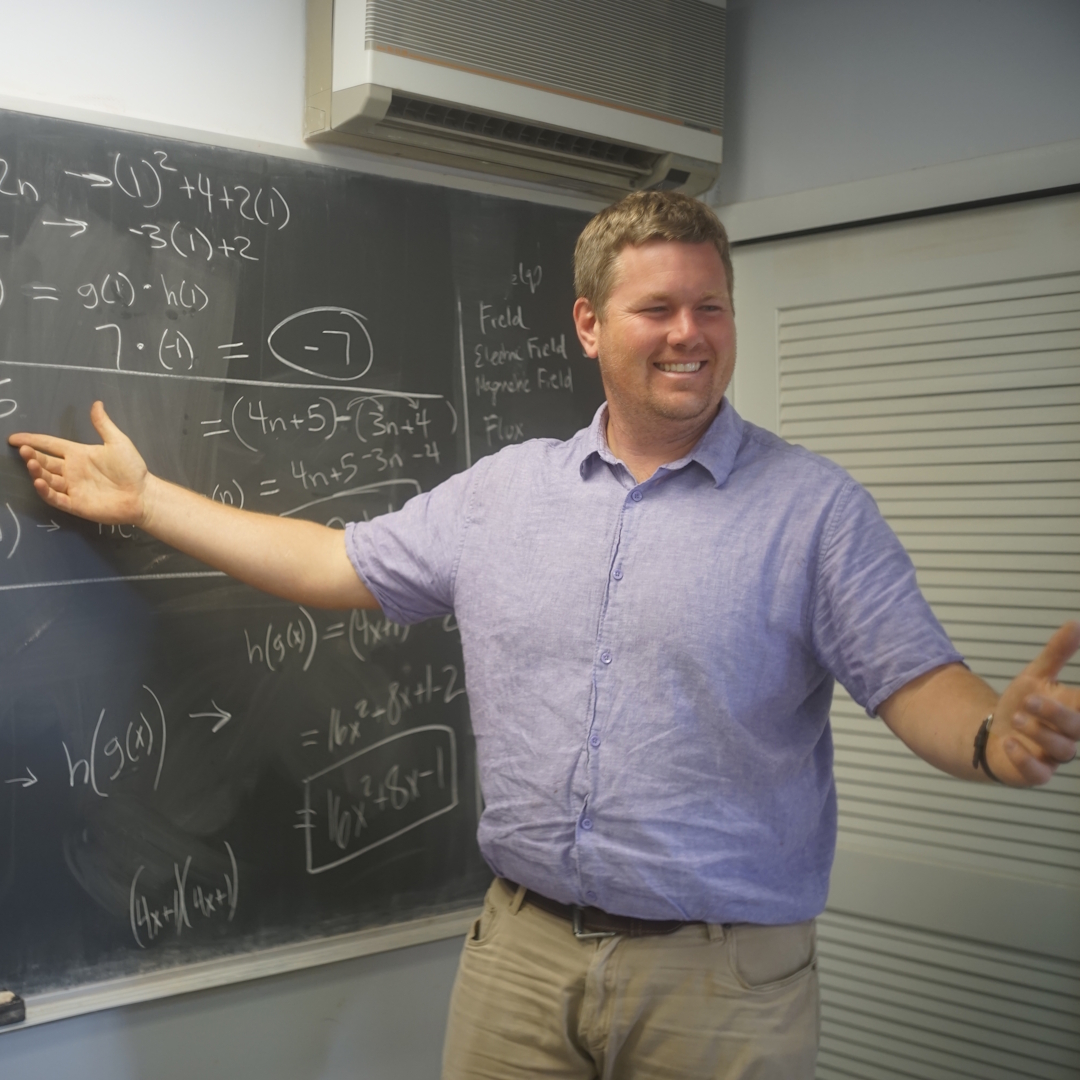
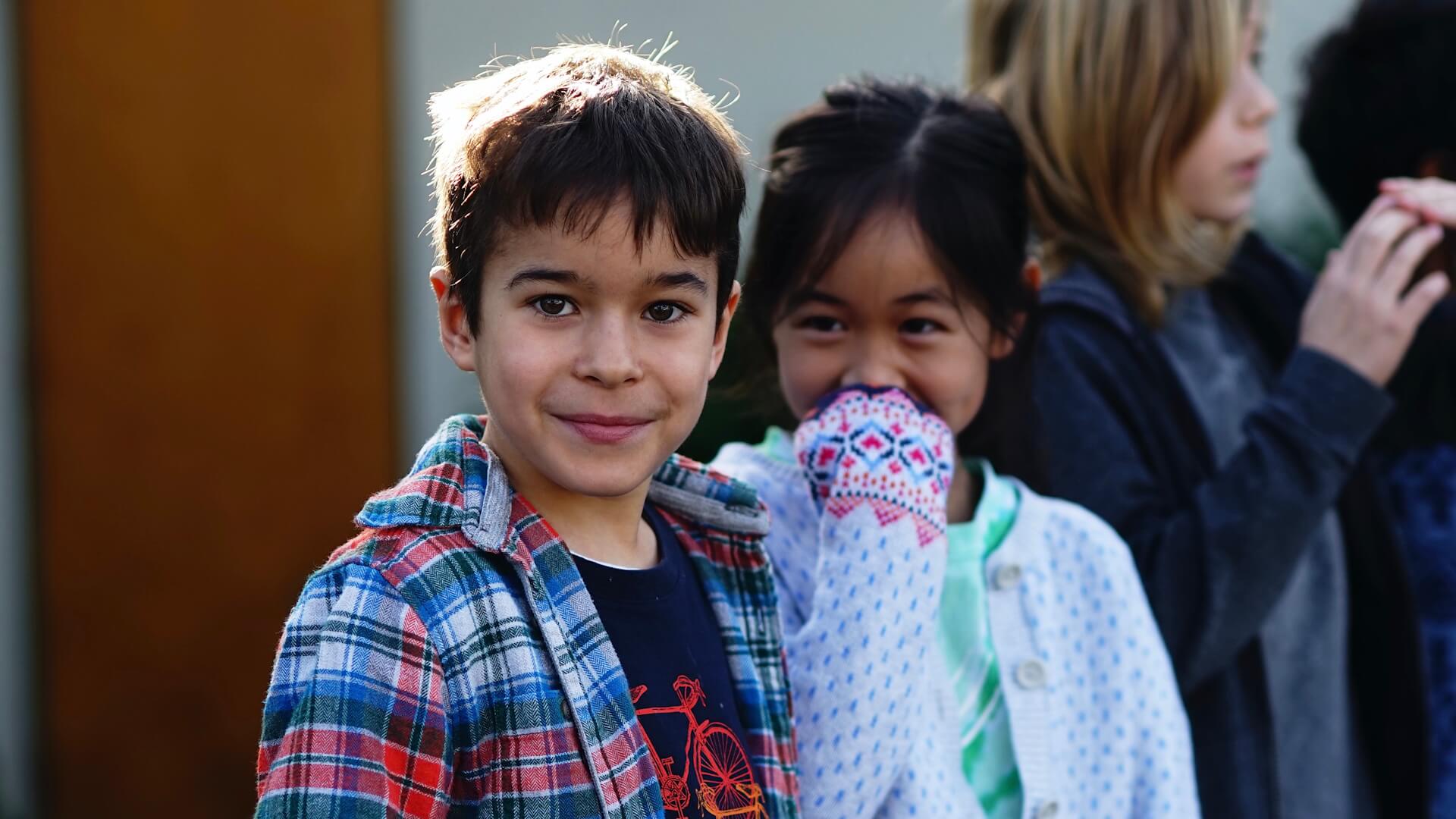
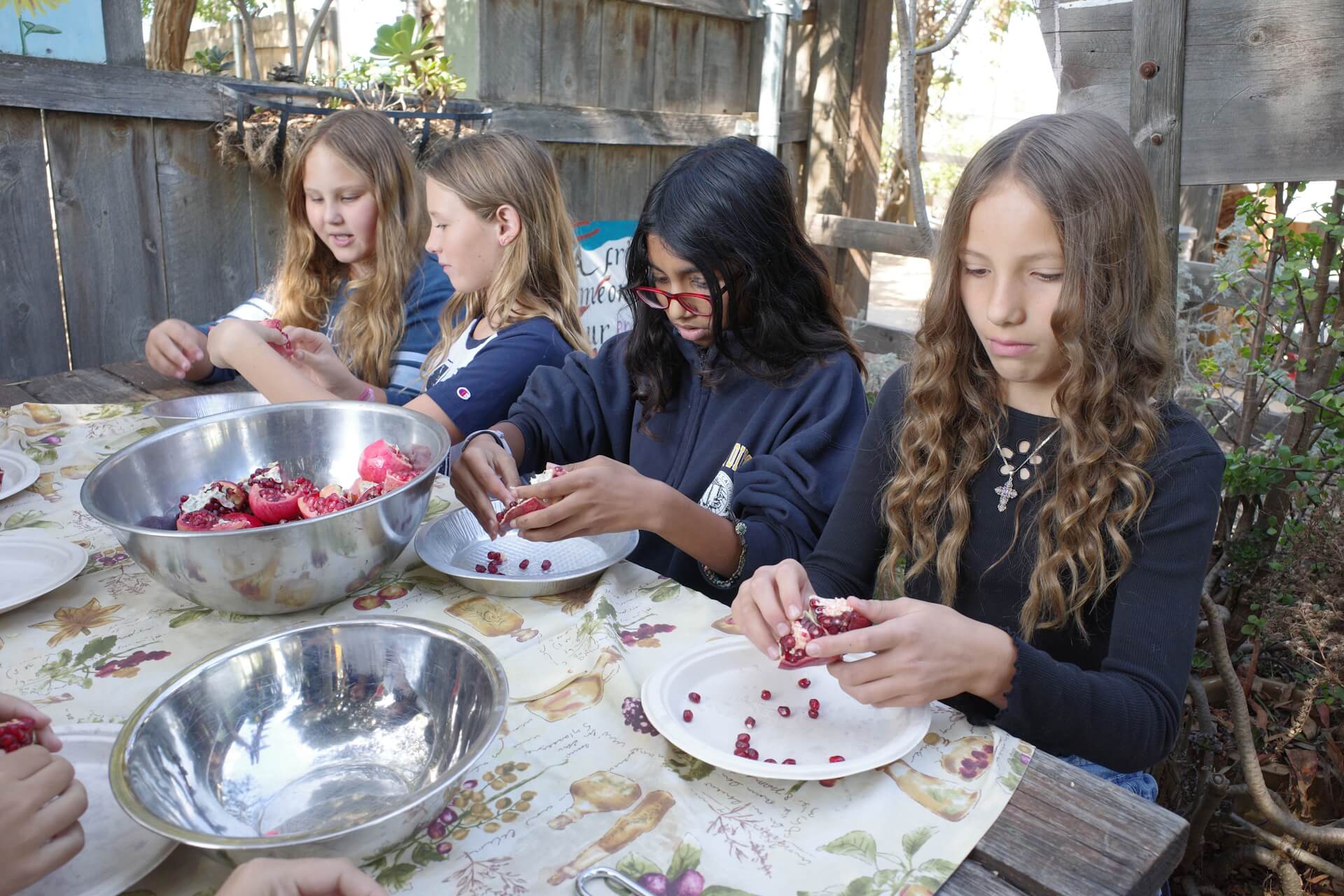
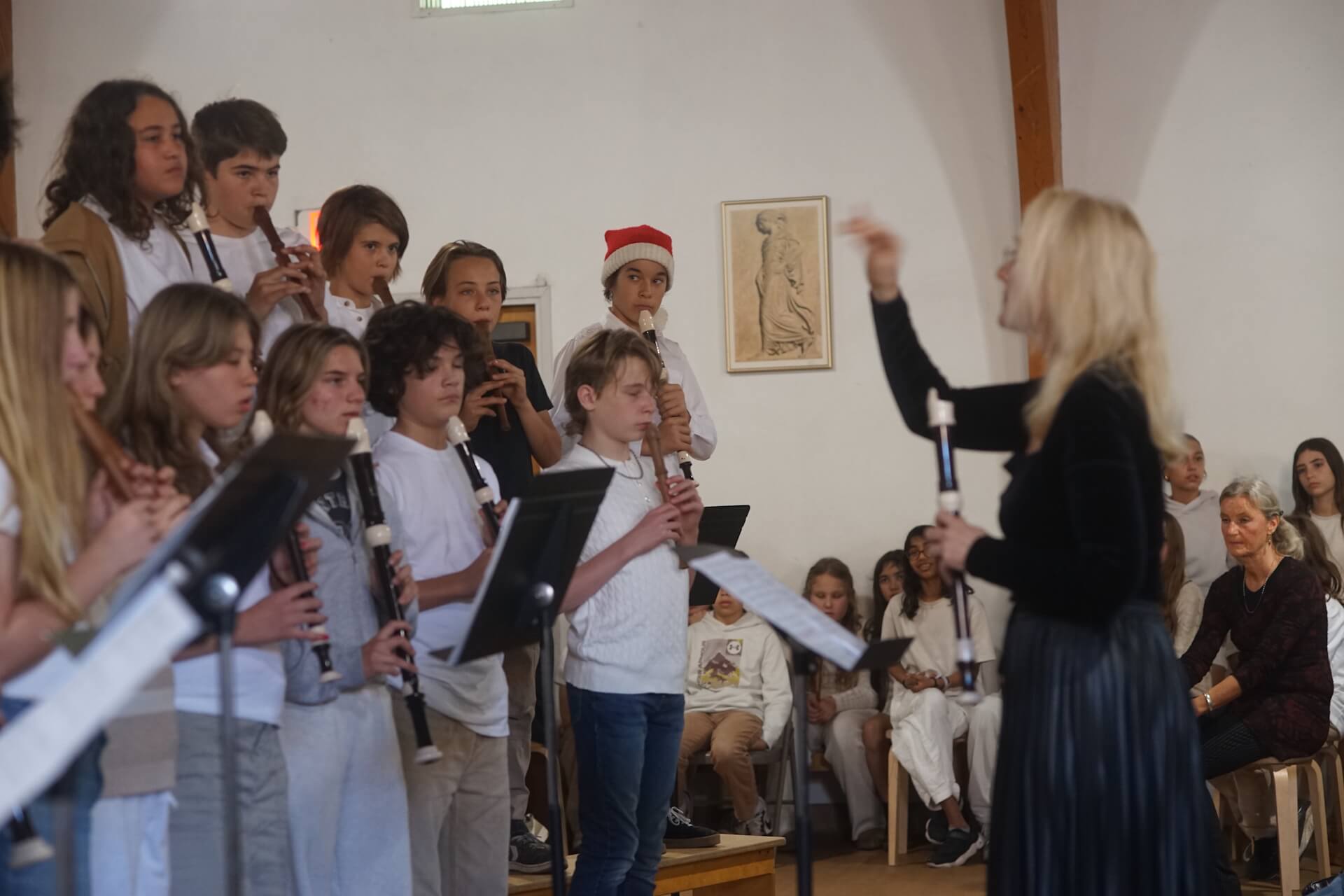
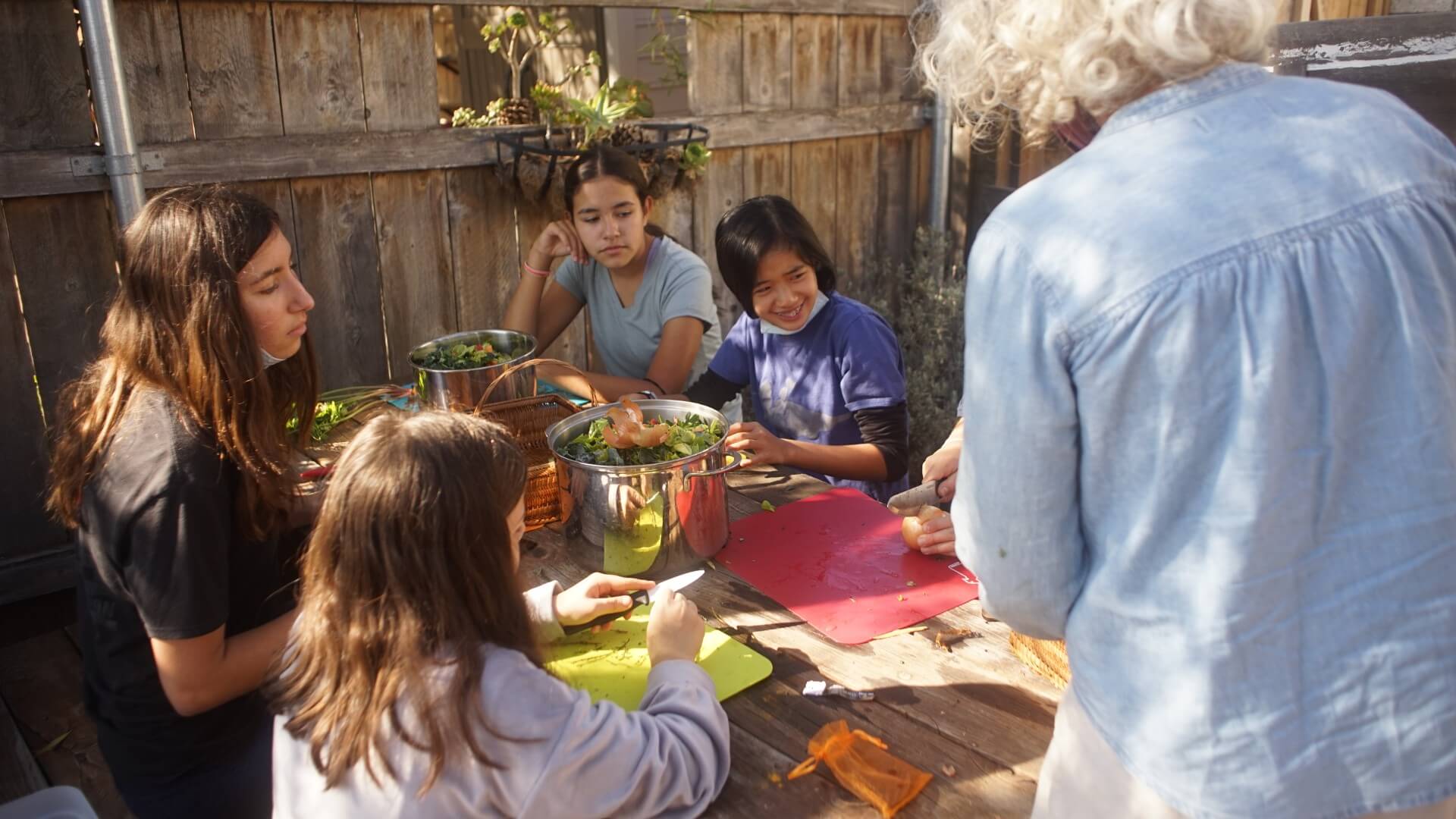
Middle School is where curiosity gets serious. Students step into the world — questioning, experimenting, challenging ideas — with specialist teachers, real laboratory science, and the kind of group work that prepares them for high school.

The high school years (Grades 9–12)
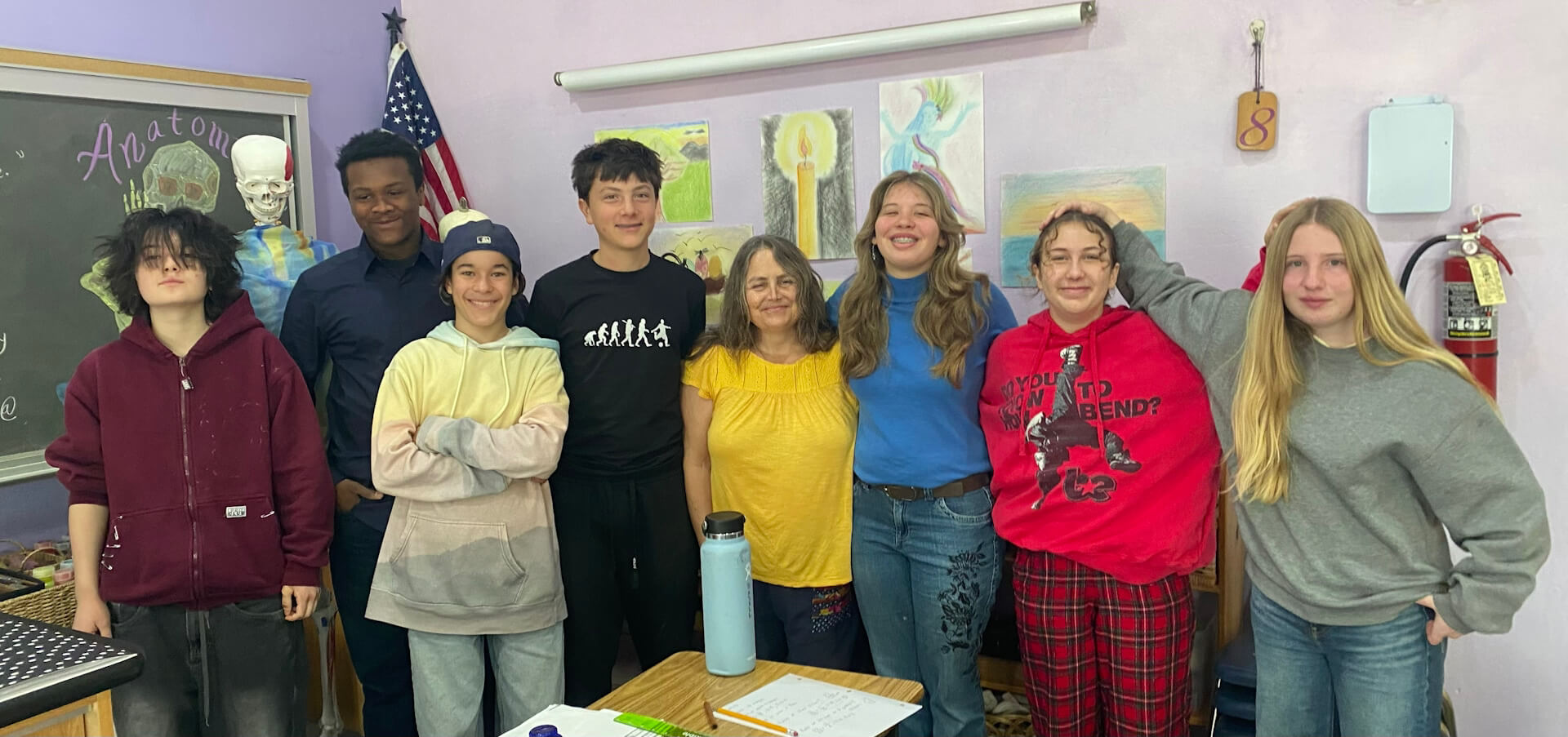
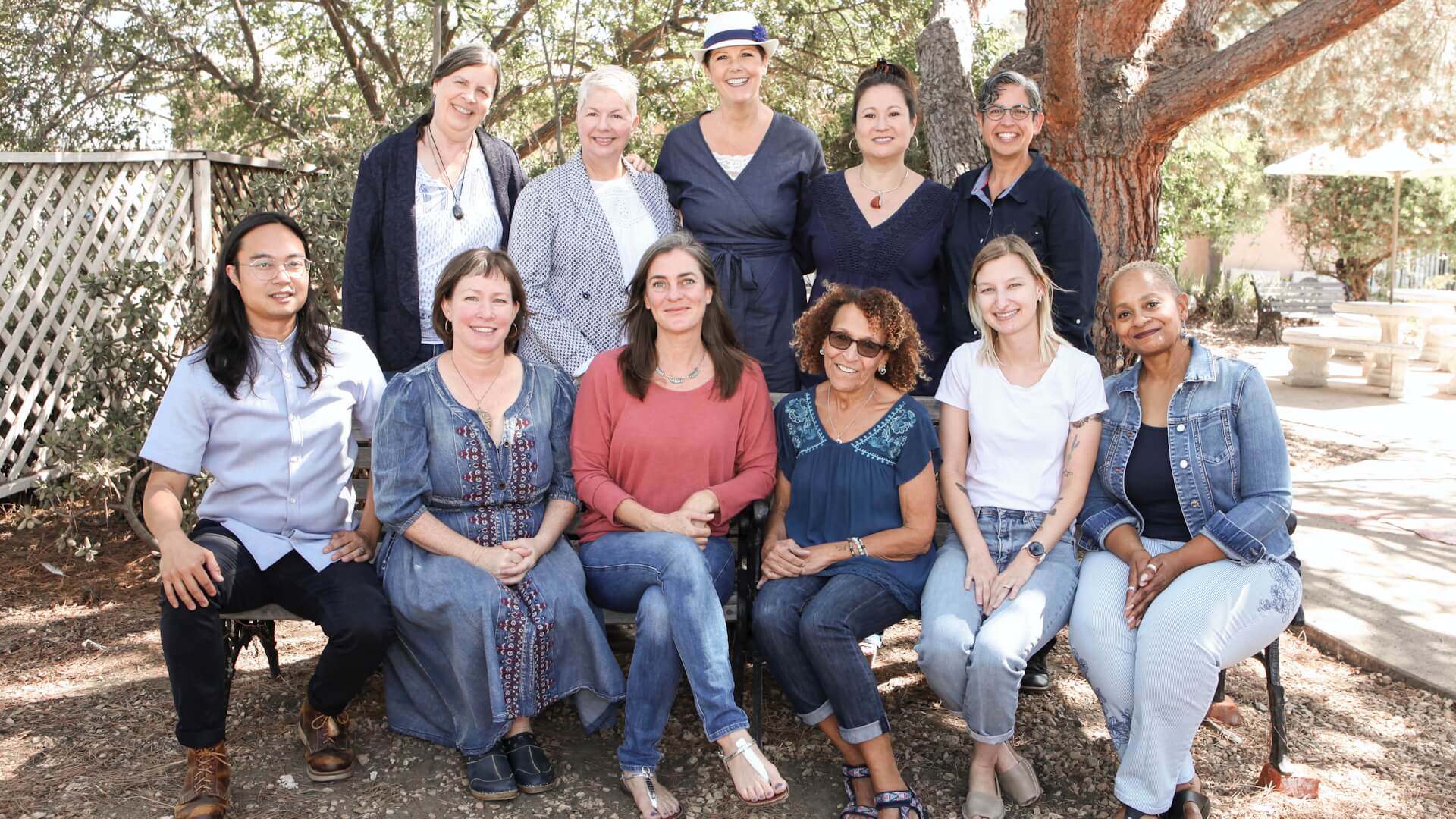
The only Waldorf high school in San Diego County. Each day opens with a 110-minute seminar; each year carries forward a specific mode of thought — observation in ninth, comparison in tenth, analysis in eleventh, synthesis in twelfth. 94% of graduates are accepted to college.

The numbers behind the method
A fair question about any less-familiar approach is: does it work? At WSSD, the answer has numbers.
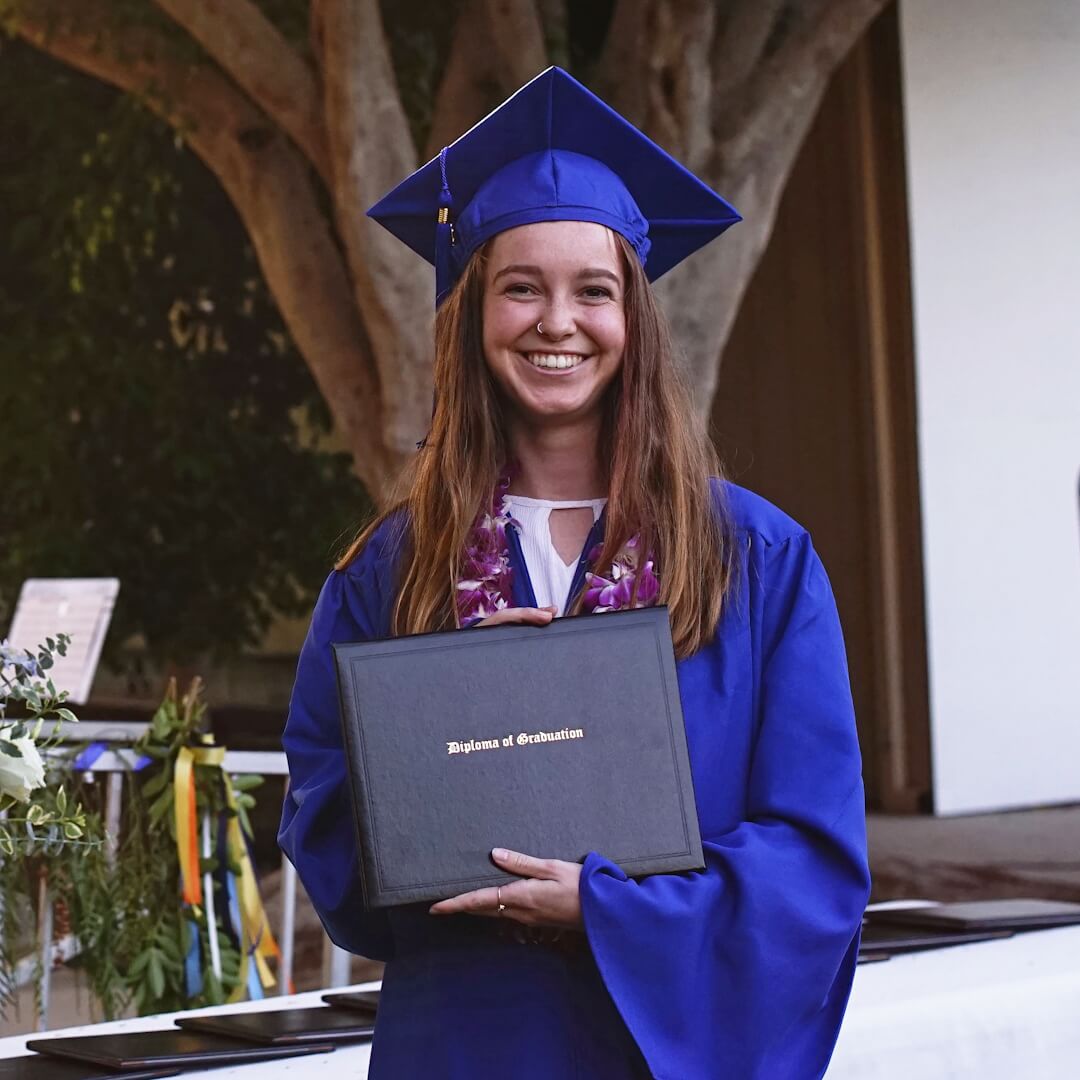
- 94% of WSSD high school graduates are accepted to college.
- 88% go on to graduate from college — well above the roughly 50% national average.
- Since 1981 — WSSD has been San Diego’s only Pre-K through Grade 12 Waldorf school.
- 1,200+ independent Waldorf schools worldwide, across more than 60 countries.
Where it comes from
A hundred years in the making.
The first Waldorf school opened in Stuttgart, Germany, in 1919 — founded on the educational ideas of Rudolf Steiner, a philosopher and educator who argued that schooling should follow the phases of a child’s development. The name comes from that first school, opened for the children of workers at the Waldorf-Astoria factory.
A century on, Waldorf is one of the largest independent education movements in the world: more than 1,200 schools across more than 60 countries. WSSD has been San Diego’s since 1981.
How we live our values
A school that reckons honestly.
Steiner’s ideas about child development sit at the heart of Waldorf education. Steiner also wrote assertions about race and ethnicity that have caused harm — something WSSD acknowledges openly, and that informs the school’s ongoing work on equity, inclusion, and diversity.
Common questions about Waldorf education
Is Waldorf education accredited?
Yes. WSSD is a fully accredited member of WASC (the Western Association of Schools and Colleges) and AWSNA (the Association of Waldorf Schools of North America), an accredited WECAN early-childhood program, and a member of NAIS (the National Association of Independent Schools).
Do Waldorf students get into college?
Yes — in WSSD’s case, all of them. 94% of WSSD high school graduates are accepted to college, and 88% go on to graduate — well above the national average of around 50%.
Why are Waldorf classrooms screen-free?
Not because the school is anti-technology — because children build attention, imagination, and exploration before they meet algorithms designed to capture them. The tools are introduced later, deliberately, and used with intent.
How is Waldorf different from Montessori?
Both approaches respect a child’s development — they differ in how they get there. Montessori centers individual self-directed work in mixed-age classrooms. Waldorf centers the imagination, the arts, and a teacher who stays with the class for years; subjects are taught in immersive blocks rather than parallel tracks.
Who founded Waldorf education?
Austrian philosopher and educator Rudolf Steiner, in 1919. The first school opened in Stuttgart, Germany, for the children of workers at the Waldorf-Astoria factory — hence the name. There are now more than 1,200 Waldorf schools worldwide.
Latest from WSSD
News and blogposts
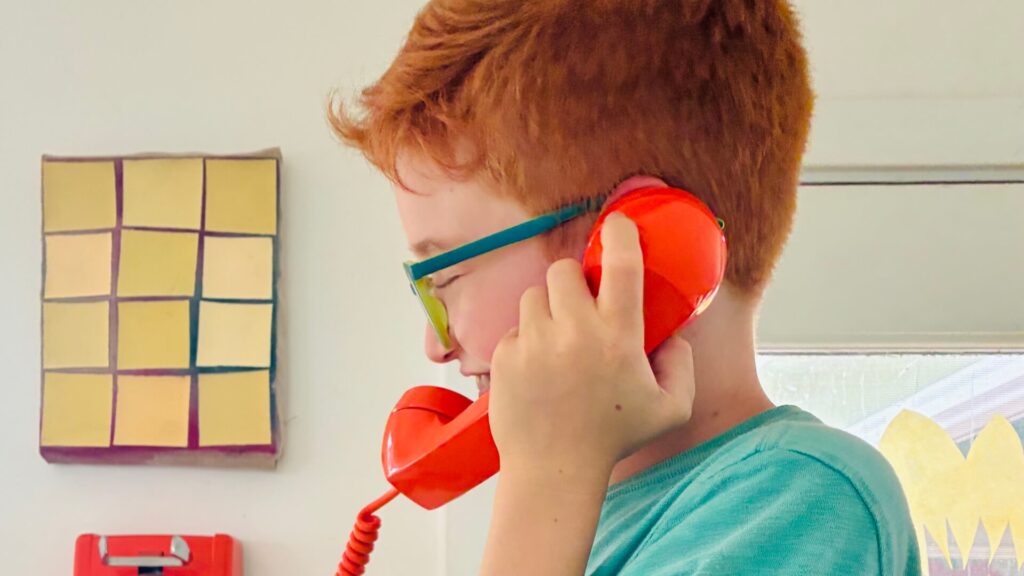
When It Comes to Communication Technology, Old School is the Best School
When It Comes to Communication Technology, Old School is the Best School
Read More
Diwali Celebration at Altadena Campus
Diwali Celebration at Altadena Campus
Read More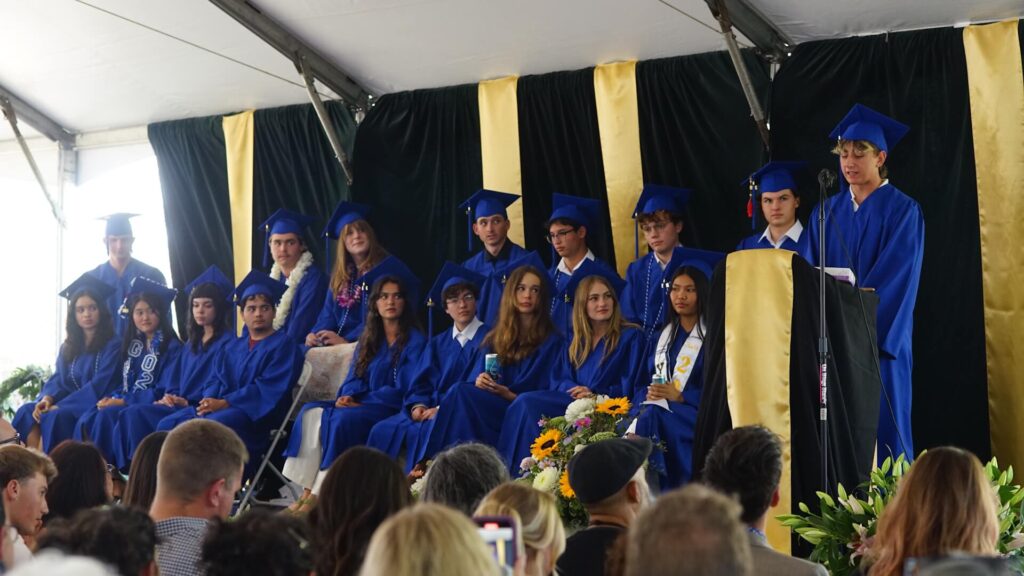
Alum Spotlight: A Legacy of Innovation and Stewardship
Alum Spotlight: A Legacy of Innovation and Stewardship
Read More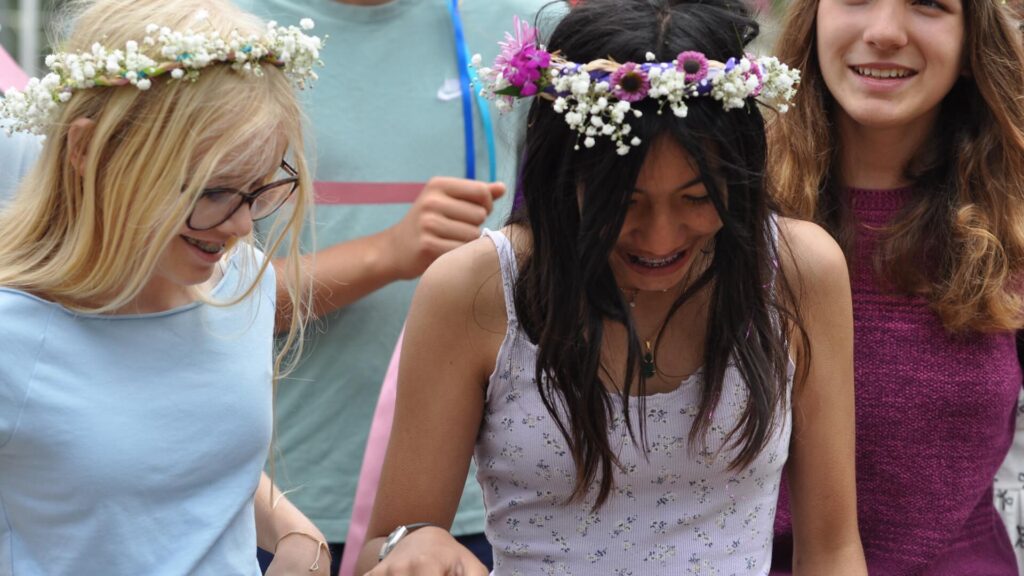
Nurturing Spiritual Growth: Cultivating a Conscious Community
Nurturing Spiritual Growth: Cultivating a Conscious Community
Read More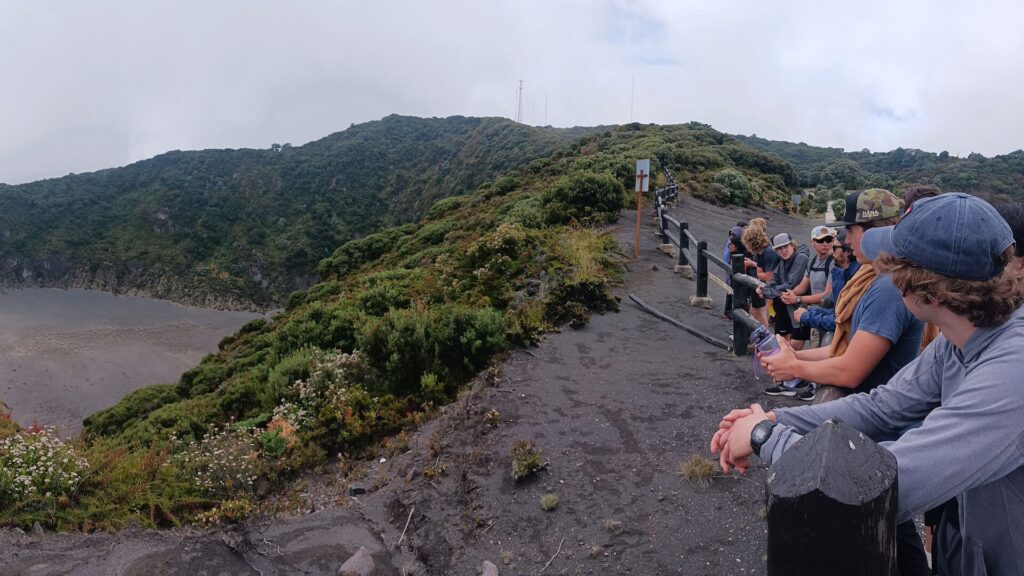
Journey of Service and Connection: A Costa Rica Class Trip Journal with the 11th Grade
Journey of Service and Connection: A Costa Rica Class Trip Journal with the 11th Grade
Read More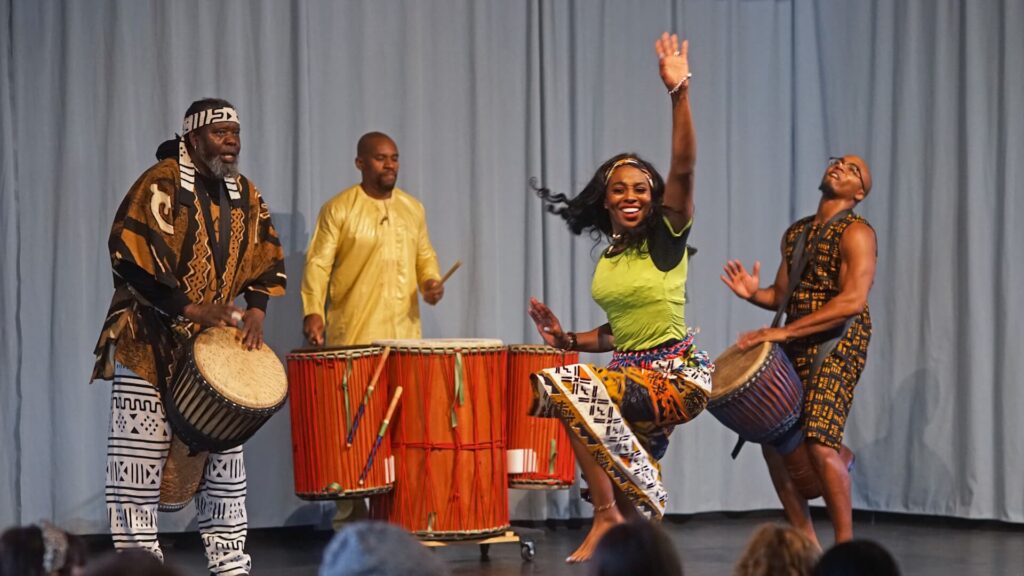
Honoring Our Teachers’ Commitment to Equity: Insights from the Teaching for Black Lives Training
Honoring Our Teachers’ Commitment to Equity: Insights from the Teaching for Black Lives Training
Read More
The Return of the Hot Lunch Program: Mekeni! Mangan Tana! Come through! Let’s Eat!
The Return of the Hot Lunch Program: Mekeni! Mangan Tana! Come through! Let’s Eat!
Read More
A Title Worthy of the Role: Why Our Early Childhood Teachers Are Now Simply “Teacher”
A Title Worthy of the Role: Why Our Early Childhood Teachers Are Now Simply “Teacher”
Read MoreThe best way to understand a Waldorf education is to see it.
Tours run regularly throughout the school year — about 60 to 90 minutes, with time to ask the questions a website can’t answer.